
Guest Blog Post
by Janine Marrone, Support After Abortion
We just passed the 48th anniversary of legalized abortion on demand across America, and over 60 million children have been lost. For each of those children, there is a mother, a father, and relatives, many of whom are also victims of the tragedy of abortion.
We know that laws don’t change hearts, but hearts change laws. We can be effective change agents by pursuing a conversion of heart among women of child-bearing age. We can also be effective change agents by pursuing those most impacted by abortion. Consider this: We can end abortion by healing those who have had abortions.
Most people beyond the age of reason either know someone who has had or has been directly impacted by abortion. Studies show that 1 in 4 women will have an abortion by the age of 45 and 50% of all abortions are performed on someone who has already had one. Abortion does not discriminate by race, religion, or national origin — or for that matter, even the father of the child. Many are impacted by abortion decisions including parents, grandparents, siblings, extended families, and even the ones who drove someone to the abortion facility.
Recent consumer research conducted by Shapard Research in Oklahoma City shows that at least 33% of those surveyed had experienced an adverse change after abortion. And though these women confessed faith — when asked how many went to religious services, 80% said rarely or never. We can ask ourselves, “Why?” It could be personal condemnation and/or the feeling of judgment and condemnation in the churches they attended. In the same study, respondents were asked if they knew where to go for help for their loss: 90% did not know.
The following are some verbatim comments from those who experienced abortion (from the research):
“It brings a deep guilt, sadness and feeling of loss.”
“I’m haunted by it.”
“I deeply regretted doing this.”
“That person is me, and it has been over 20 years since I had the abortion, and it still hurts me a very great deal.”
These statements reflect the guilt and self-judgment women are imposing on themselves. Many carry the burden of their abortion as a weight they believe can never be taken away. Sin separates a person from God, but the sin of abortion is not unpardonable. We need to correct that myth. Consider what Pope Francis wrote in 2016:
“I wish to restate as firmly as I can that abortion is a grave sin, since it puts an end to an innocent life. In the same way, however, I can and must state that there is no sin that God’s mercy cannot reach and wipe away when it finds a repentant heart seeking to be reconciled with the Father”.
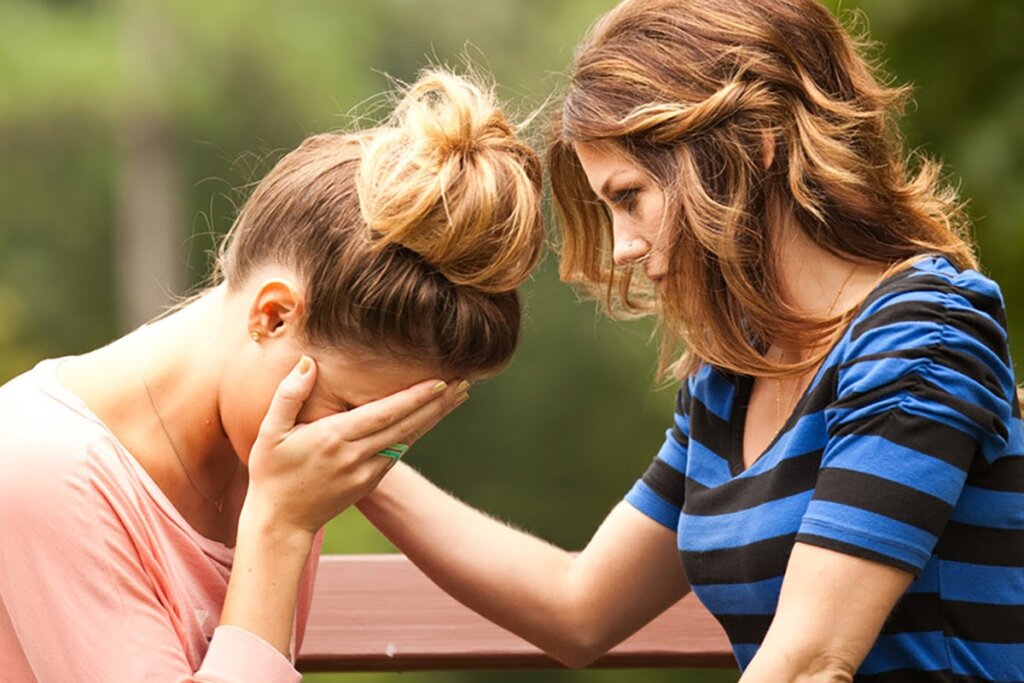
What can you do? Be compassionate. Circumstances before and around abortion are complicated. Listen. And then listen some more. You may be the first to hear about the abortion.
Don’t judge the sin yourself — some in the pro-life movement want to condemn the mother and father. Instead, educate yourself about abortion and its impact physically and psychologically to open the door to more conversation. Dialogue can bring healing. We have been silent enough, indifferent enough, even ignorant enough. We need to shift the paradigm because unresolved loss from abortion is killing our families, our churches, and our community.
 For more information on healing from abortion, visit www.supportafterabortion.com
Or contact the author of this article: janinemarrone@gmail.com